

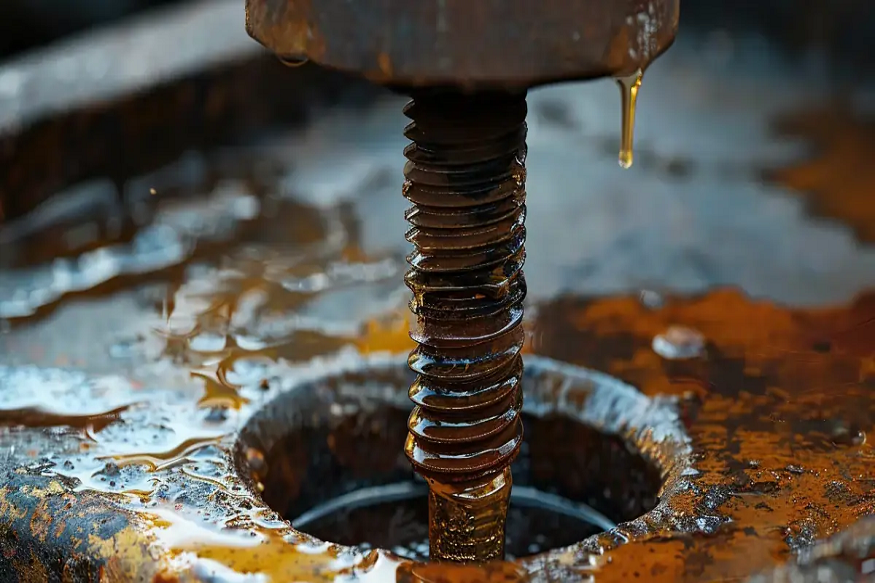
Plumbing systems are built to last, but time, moisture, mineral deposits, and corrosion can turn routine repairs into stubborn challenges. Anyone who has tried to loosen an old pipe fitting or remove a rusted valve knows how difficult plumbing work can become when metal parts seize together. In these situations, penetrating oil is often the difference between a smooth repair and a broken fixture.
However, not every product on the shelf is suited for plumbing applications. Pipes, fittings, and fixtures require careful handling, especially when working in confined spaces or around water lines. Understanding how to choose the best penetrating oil for plumbing can save time, protect equipment, and prevent costly damage.
This guide explains how penetrating oil works, what features to look for, and how to select the right option for residential or commercial plumbing tasks.
Why Plumbing Fixtures Become Stuck
Plumbing systems operate in environments where water is constantly present. Over time, moisture leads to oxidation, especially in iron or steel components. Rust forms between threaded joints, increasing friction and effectively bonding parts together.
Read More:Enhancing Aesthetics, Energy Efficiency, and Sustainability by Facade Services
In addition to rust, mineral buildup from hard water can accumulate around fittings. Calcium and magnesium deposits create a solid crust that locks connections in place. Temperature changes may also cause metal expansion and contraction, tightening threads further.
Because plumbing repairs often involve older installations, the likelihood of encountering seized fittings is high. Applying excessive force without preparation can crack pipes or damage surrounding surfaces. That is where penetrating oil becomes essential.
What Is Penetrating Oil and How Does It Work in Plumbing
Penetrating oil is a low viscosity liquid designed to seep into tight spaces between metal surfaces. Unlike heavy grease or standard lubricants, penetrating oil is engineered to travel into microscopic gaps within threads and joints.
When applied to a corroded plumbing fitting, the oil works by reducing surface tension and flowing into the spaces where rust and mineral buildup have formed. Many formulations contain additives that loosen oxidation and displace moisture. As the oil spreads, it weakens the bond between metal surfaces and reduces the force required to turn the fitting.
For plumbing jobs, the effectiveness of penetrating oil depends on its ability to reach deep within threaded connections without leaving excessive residue that could contaminate water systems.
Key Qualities of the Best Penetrating Oil for Plumbing
Choosing the best penetrating oil for plumbing involves more than grabbing the first can available. Plumbing environments present unique challenges that require specific performance characteristics.
Low viscosity for deep penetration
Strong moisture displacement to combat water exposure
Corrosion loosening properties
Compatibility with common plumbing metals
Controlled application for tight spaces
Plumbing systems commonly include steel, brass, copper, and sometimes aluminum components. The penetrating oil you choose should be safe for use on these materials and should not cause staining or chemical reactions.
Read More:Transforming Denver’s Landscape: Unveiling the Expertise of Commercial Concrete Contractors
In addition, plumbing work often takes place under sinks, behind walls, or in basements where ventilation may be limited. Selecting a product with manageable odor and clear safety instructions can improve working conditions.
Understanding Metal Compatibility
Different metals react differently to moisture and corrosion. Steel components tend to rust visibly, while brass and copper may develop tarnish or scale. Aluminum fittings can form oxide layers that bind tightly to other metals.
When searching for the best penetrating oil for plumbing, confirm that it is suitable for both ferrous and non ferrous metals. A versatile penetrating oil ensures you can work on mixed metal connections without risk of damage.
Using an incompatible product may lead to discoloration or weakened surfaces. Reviewing technical information before purchase helps avoid unnecessary complications during repairs.
Consider the Type of Plumbing Job
The type of plumbing repair you are performing should influence your choice.
For minor household tasks such as loosening a shower arm or removing a faucet nut, a light penetrating oil with quick action may be sufficient. These jobs typically involve smaller fittings and less severe corrosion.
For older commercial plumbing systems or outdoor pipe connections exposed to weather, you may need a more robust formulation with stronger rust loosening properties. Long term exposure to moisture and environmental elements often creates deeper corrosion.
Matching the penetrating oil to the severity of the job improves results and reduces the need for repeated applications.
Application Matters as Much as Product Choice
Even the best penetrating oil for plumbing will not perform effectively without proper application.
Start by cleaning visible debris and mineral buildup around the fitting. A small brush can remove loose material and improve access to threads. Apply penetrating oil directly at the joint where the fitting meets the pipe.
Allow adequate soaking time. Light corrosion may respond within minutes, while heavy buildup may require multiple applications and longer waiting periods. Patience is essential in plumbing work, especially when working with older fixtures that could crack under stress.
After soaking, use the correct size wrench and apply steady pressure. Avoid sudden force, which can break pipes or damage surrounding tiles and fixtures.
Balancing Strength and Safety
Plumbing repairs often occur in residential settings where safety is a priority. Choose penetrating oil that is clearly labeled with usage guidelines and safety information.
Ventilation is important, particularly in enclosed spaces. While many penetrating oils are effective, some may release vapors during application. Always follow recommended precautions and avoid open flames near the work area.
If working on potable water lines, ensure the product does not contaminate surfaces that come into contact with drinking water. After completing the repair, wipe away excess oil before restoring water flow.
Cost Versus Long Term Value
Price is often a consideration when selecting maintenance supplies. However, the least expensive option may not provide the performance required for demanding plumbing tasks.
A high quality penetrating oil can reduce labor time, prevent broken fittings, and extend the life of plumbing components. When evaluating cost, consider the value of avoiding pipe replacement or wall repairs due to accidental damage.
Investing in a reliable product often leads to savings in time and materials over the long term.
Preventing Future Seizure in Plumbing Systems
While penetrating oil is excellent for loosening stuck fittings, preventive maintenance reduces the need for emergency repairs.
When installing new plumbing components, apply appropriate thread sealants or anti corrosion compounds as recommended. Regular inspections can identify early signs of rust or mineral buildup before fittings become fully seized.
In outdoor plumbing systems, protect exposed connections from rain and environmental elements. Taking preventive steps helps maintain system integrity and reduces dependence on penetrating oil in the future.
Common Mistakes to Avoid
When dealing with stubborn plumbing fittings, avoid these common errors:
Applying excessive force before using penetrating oil
Skipping cleaning steps before application
Not allowing enough soaking time
Using incorrect tools that damage fittings
Ignoring safety precautions
Each mistake increases the risk of costly damage. A careful and methodical approach leads to better outcomes.
Making an Informed Choice
Choosing the best penetrating oil for plumbing requires evaluating metal compatibility, corrosion severity, safety factors, and ease of application. By understanding how penetrating oil works and what qualities matter most in plumbing environments, you can select a product that delivers reliable results.
Whether you are a professional plumber or a homeowner tackling a repair, the right penetrating oil simplifies difficult tasks and protects valuable fixtures.
Conclusion
Plumbing systems face constant exposure to moisture, minerals, and environmental stress. Over time, these factors cause fittings and connections to seize, making repairs challenging. Penetrating oil offers a practical solution by flowing into tight spaces, loosening corrosion, and reducing friction.
Selecting the best penetrating oil for plumbing ensures safe, efficient, and effective repairs. By focusing on compatibility, penetration capability, safety, and proper application, you can restore movement to stubborn fittings without damaging pipes or fixtures.
With thoughtful product selection and careful technique, even the most stubborn plumbing connections can be loosened confidently, keeping water flowing smoothly and maintenance tasks manageable.